Data Privacy on the Web: HTTP vs HTTPS in 2025
I am a writer specializing in technology, cybersecurity, and website security. I provide expert insights and practical solutions to help small and medium-sized businesses enhance their information security infrastructure.
Data privacy has become an important topic in today's web architecture as well as user experience. An increasing number of sensitive information has been transferred online, securing data during transit is a core responsibility for any web-facing application or service.
There are two different protocols for sending data over the internet. One of these is HTTP and the other is HTTPS. HTTP sends data in plain text without encryption, but HTTPS uses Transport Layer Security to encrypt client-server communications, ensuring data confidentiality and integrity.
In this article, we provide a technical comparison of HTTP and HTTPS in the context of data privacy in 2025.
If you want to know in detailed then refer this article : HTTP vs. HTTPS: What’s the Difference?
What Are HTTP and HTTPS?
HTTP is an application-layer protocol used to send hypermedia documents like as HTML across the web. It operates over TCP and defines the method of message transmission between clients and servers. Then, HTTP loses the data encryption and integrity mechanisms, making transmitted data vulnerable to manipulation or interception while in transit.
SSL/TLS certificates are used by HTTPS to add an extra degree of protection. The data being transmitted can be encrypted with the help of these certificates, rendering it unintelligible to any unauthorized parties who might intercept the conversation.
By establishing a safe, encrypted connection between the user's browser and the web server, SSL encrypts HTTP requests and responses. In order to create a secure connection, the browser and the server exchange a number of cryptographic keys through a procedure known as "SSL handshaking."
Also Read:- How to Check if a Website is Secure (HTTPS vs HTTP)
Why Data Privacy Matters More Than Ever in 2025
In 2025, user trust and digital infrastructure depend strongly on data privacy. The importance of protecting user data at every stage of processing and transmission has increased due to the exponential growth of data generation and growing regulatory oversight.
The scope and complexity of cybersecurity threats have changed over time. Unencrypted communication channels are still being exploited by attack vectors like packet sniffing, session hijacking, and man-in-the-middle (MITM) attacks. Websites that still use HTTP expose sensitive user data such as authentication credentials, financial information, and personal identifiers to interception and exploitation.
Legislative frameworks have also expanded. Regulations, including the General Data Protection Regulation (GDPR), the California Consumer Privacy Act (CCPA), and newer data protection laws in various jurisdictions, mandate that organizations implement appropriate technical safeguards. Encrypted transmission of user data via HTTPS is a fundamental requirement for compliance with these standards.
User expectations have changed in addition to regulatory pressure. Users today are less likely to trust websites that do not use HTTPS because they are more aware of security indicators in their browsers. Conversion rates, user retention, and credibility are all adversely impacted by the lack of encryption.
Data privacy is now required. It is essential to provide digital services and responsible web development. HTTPS is the basic requirement for securing that data sent over the internet is secure and protected from unauthorized access.
The Privacy Risks of HTTP
HTTP sends plaintext data across the network. The system integrity and user privacy may be jeopardized by multiple security flaws introduced by this lack of encryption. HTTP does not protect against unauthorized interception or manipulation of data in any setting where it passes through intermediary networks or untrusted nodes.
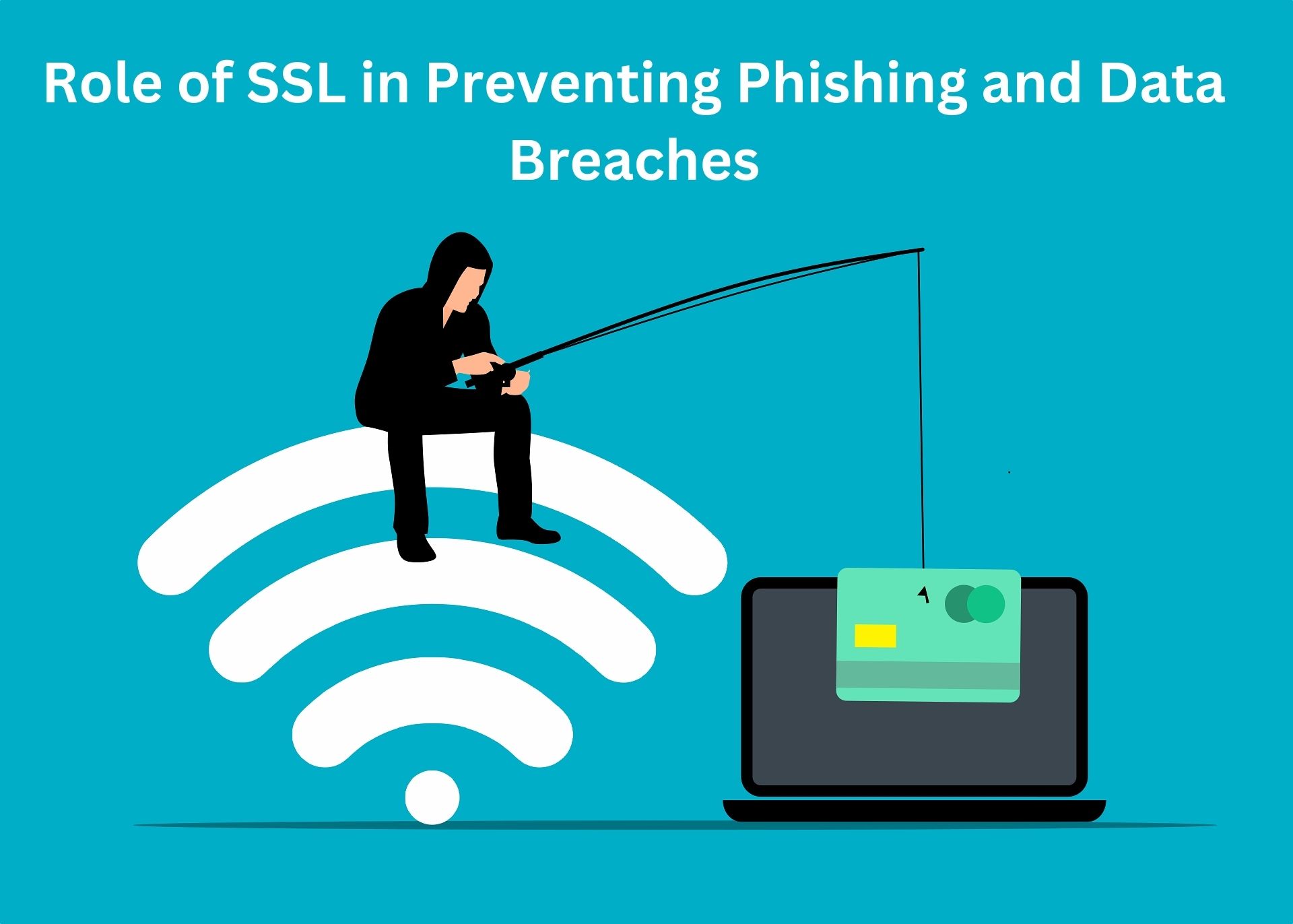
The most vital risk is exposure to man-in-the-middle (MITM) attacks. In this situation, hackers positioned between the client and the server can intercept HTTP requests and responses. They give access to attackers to read private data, like as login credentials, session cookies, and personally identifiable information (PII).
Additionally, HTTP is unable to authenticate the server. Clients can not confirm the authenticity of the website they are interacting with in the absence of a digital certificate. They make it easier for phishing and impersonation attacks to occur, in which users are unintentionally sent to fake websites that look authentic.
Packet analysis tools make it simple to capture HTTP traffic if you are using the shared network such as wi-fi. Hackers' access to the same network segment can extract the unencrypted data without any using advanced technical effort.
Differences Between HTTP and HTTPS
They are both application-layer protocols used for communication between web clients and servers. They have minor differences in terms of security architecture, data handling, and practical implications for performance, trust, and compliance. The following points summarize the key differences:
1. Encryption
Your website is not secure, then sends the data in plaintext, making it readable to any third party on the network path.
Transport Layer Security is used by HTTPS to encrypt the data in order to guarantee confidentiality and prevent eavesdropping.
2. Authentication
They do not include any mechanism for authenticating the server.
But HTTPS uses digital certificates issued by Certificate Authorities to authenticate the server's identity, which protects from third-party attacks.
3. Data Integrity
There is no way for HTTP to figure out whether data has been altered while being transmitted.
MACs and cryptographic hash functions are used by HTTPS to protect data integrity and prevent manipulation.
4. Default Port
HTTP uses port 80
HTTPS uses port 443
If you want to know in detail, then refer to this article: Port 80 (HTTP) vs. Port 443 (HTTPS): Everything You Need to Know
5. URL Scheme
http:// URL in HTTP
https:// URL in HTTPS
6. Browser Indicators
In HTTP sites are marked as "Not Secure" in the new era browsers
But an HTTPS website displays a padlock icon and sometimes a “Secure” label
7. SEO and Ranking
In HTTP, websites receive no ranking advantage in search engines.
HTTPS is a receive a ranking in Google’s algorithm
8. User Trust
They reduce the user trust, especially on forms or payment pages.
HTTPS is expected and preferred by users, contributing to better user confidence and lower bounce rates.
HTTP or HTTPS: Which One is Secure?
Between HTTP vs HTTPS, only HTTPS provides secure communication in web applications. HTTP sends data in plain text and provides no defense against impersonation, tampering, or interception. Any party keeping an eye on the network can access any information sent over an HTTP connection, including session cookies, passwords, and personal information. Because of this, HTTP is inherently unsafe for sending private or sensitive data.
Conclusion
HTTPS is the standard for web security, but it’s not an improvement. HTTP is inappropriate for any environment that handles user input, sensitive data, or authenticated sessions since it lacks the basic security measures needed to protect data while it is being transmitted.
The use of TLS, HTTPS provides the encryption, authentication, and integrity. It enables compliance with regulatory frameworks, supports modern performance protocols, and is required by browsers and search engines to maintain trust and visibility.
To migrate the HTTPS is an important step to ensure data privacy, improve site performance, and meeting current web standards. Businesses that continue to use HTTP risk noncompliance, data breaches, and a drop in user confidence and search engine visibility.